
Does a Kitchen Remodel Increase a Home’s Value?
A kitchen remodel can increase a home’s value by improving its appearance, functionality, storage, and overall appeal to potential buyers. As a general guideline, investing approximately 5% to 15% of your home’s value in a kitchen remodel can provide the strongest potential return on investment.
This does not mean that every dollar spent will be added directly to the home’s selling price. The final return depends on the condition of the existing kitchen, the quality of the renovation, the local real estate market, and whether the completed kitchen is appropriate for the value of the home.
The goal is to make improvements that increase the home’s appeal without spending far more than the local market is likely to support.
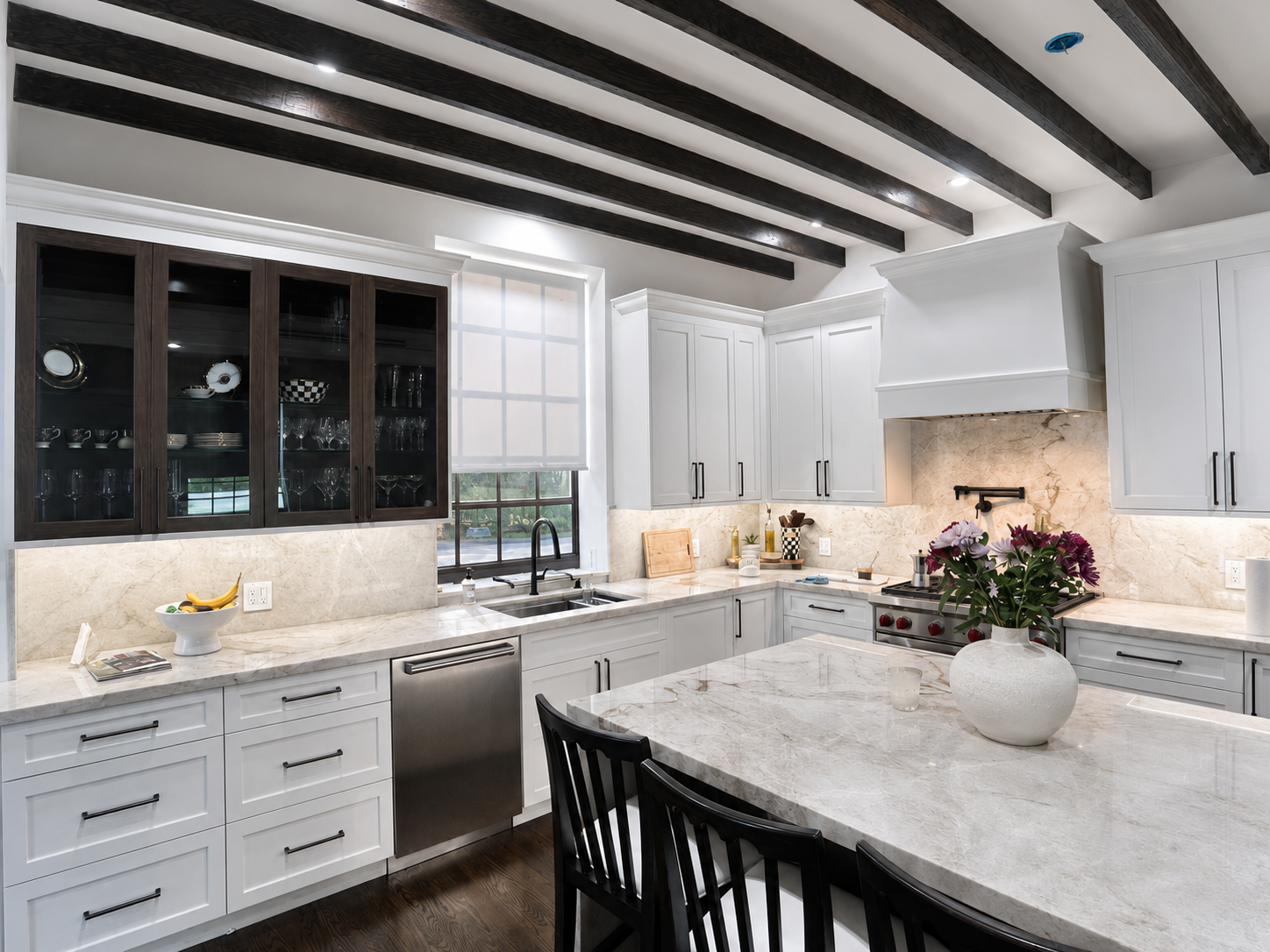
How Much Should You Invest in a Kitchen Remodel?
The 5% to 15% guideline provides homeowners with a starting point for establishing a remodeling budget.
For example:
Home value5% investment15% investment$400,000$20,000$60,000$500,000$25,000$75,000$750,000$37,500$112,500$1,000,000$50,000$150,000$2,000,000$100,000$300,000
These amounts are not strict requirements. A kitchen in good condition may only need limited improvements, while an outdated or poorly designed kitchen may justify a more extensive renovation.
The appropriate investment should also reflect the size, quality, and location of the home. A kitchen that feels appropriate in a $400,000 home may not meet buyer expectations in a $2 million home.
Why Can a Kitchen Remodel Increase Home Value?
The kitchen can have a major influence on how buyers view the entire home. Even when the rest of the house is well maintained, an outdated or poorly designed kitchen can make buyers feel that they will need to complete a major renovation after purchasing the property.
A remodeled kitchen may increase the home’s appeal by providing:
A cleaner and more updated appearance
Better storage and organization
A more functional layout
Improved lighting
Updated appliances
Durable cabinetry and finishes
More usable countertop space
A kitchen that feels consistent with the rest of the home
A successful remodel can help buyers see the kitchen as a finished part of the home instead of a future expense.
Does Every Kitchen Remodel Provide the Same Return?
No. Two kitchen remodels with the same total cost can produce very different results.
A well-planned kitchen that improves the layout, corrects storage problems, and uses materials appropriate for the home may provide a stronger potential return than a more expensive renovation based entirely on personal preferences.
The potential return can be affected by:
The condition of the kitchen before remodeling
The amount invested
The quality of the cabinetry and installation
The functionality of the finished layout
The durability of the selected materials
The value of the home
The expectations of buyers in the area
The condition of comparable nearby properties
Current real estate market conditions
A kitchen remodel may offer greater potential when the existing kitchen is visibly outdated, damaged, poorly arranged, or significantly below the quality expected for the home.
Can You Spend Too Much on a Kitchen Remodel?
It is possible to over-improve a kitchen for the value of the home or the surrounding market.
For example, installing highly customized cabinetry, professional appliances, and premium materials may create an exceptional kitchen. However, if comparable homes in the area do not support that level of investment, the homeowner may not recover as much of the cost when the property is sold.
This is why the 5% to 15% guideline can be useful. It connects the remodeling budget to the approximate value of the property and helps homeowners consider whether the proposed renovation is financially appropriate.
However, return on investment is not the only reason to remodel. Homeowners who plan to remain in the house for many years may place greater value on personal enjoyment, improved storage, better functionality, and higher-quality materials.
Which Kitchen Improvements Can Support Home Value?
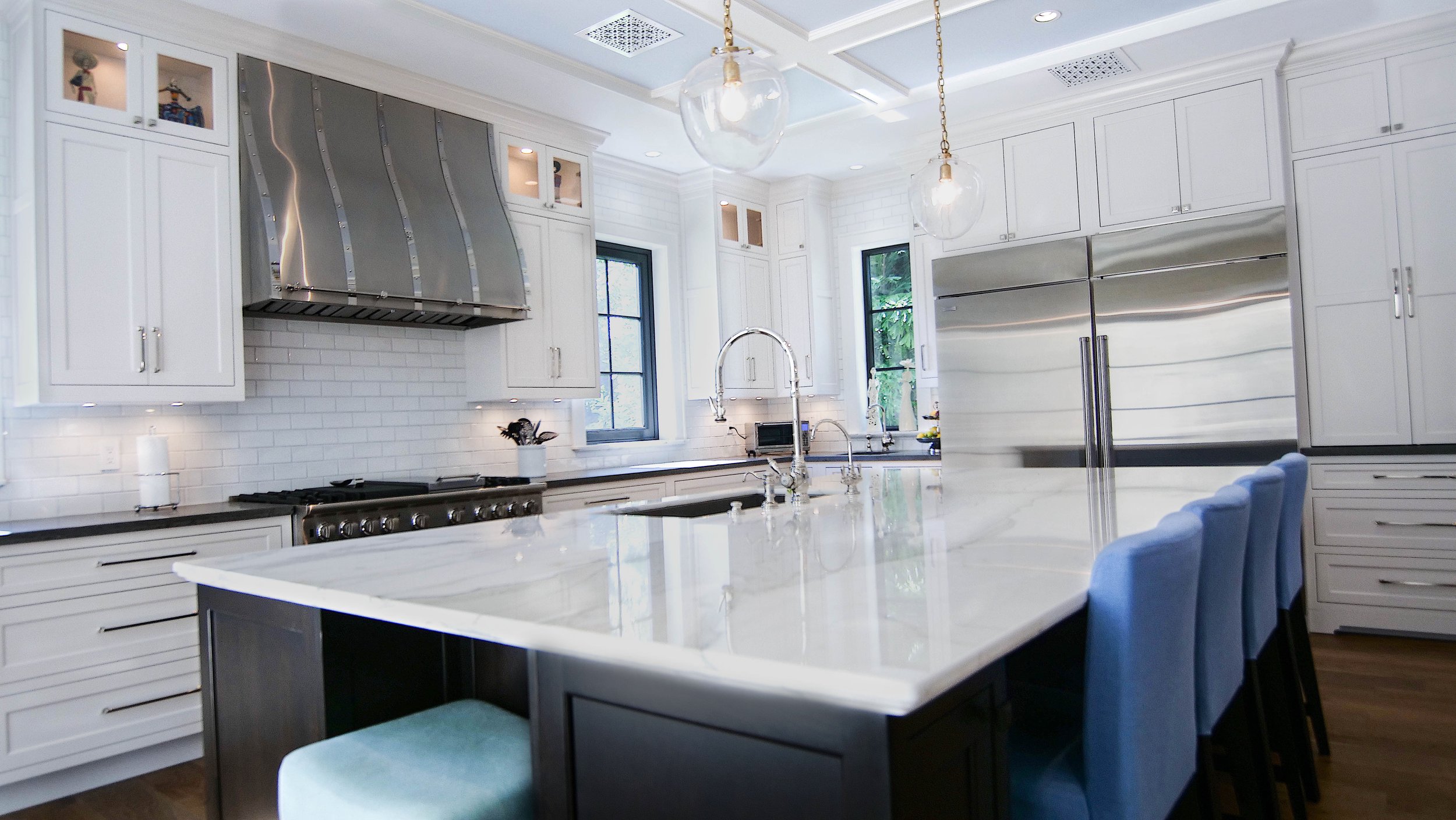
The most valuable improvements are generally those that make the kitchen more attractive, functional, and appropriate for the home.
These may include:
Replacing worn or damaged cabinetry
Improving an inefficient layout
Adding useful storage
Increasing countertop space
Improving lighting
Replacing outdated appliances
Updating countertops and backsplashes
Correcting poor installation or visible damage
Creating a consistent design throughout the kitchen
Improving the relationship between the kitchen and nearby living spaces
The best improvements will depend on what is wrong with the existing kitchen. If the layout already works well, replacing the cabinetry and finishes may be enough. If the kitchen is cramped or poorly arranged, a more extensive redesign may provide greater functional value.
Are Custom Cabinets a Good Investment?
Custom cabinetry can add value when it improves the kitchen’s appearance, storage, durability, and use of space. It can be designed around the exact dimensions of the room, appliance specifications, ceiling heights, and the homeowner’s storage requirements.
Custom cabinetry may be especially appropriate in homes where buyers expect a higher level of fit, finish, and design. It can also address conditions that stock cabinetry may not handle effectively, including unusual room dimensions, difficult corners, oversized appliances, and architectural details.
However, cabinetry should still be selected with the overall value and style of the home in mind. The most expensive option does not automatically provide the strongest return. Quality, functionality, proportion, and proper installation are all important.
Financial Return Versus Everyday Value
A kitchen remodel can provide two different forms of value.
The first is the potential financial return when the home is sold. A well-designed kitchen may increase buyer interest, support the home’s market position, and reduce the number of improvements a future owner believes are necessary.
The second is the everyday value the homeowner receives while living in the house. Better storage, improved lighting, more countertop space, durable cabinetry, and a functional layout can make the kitchen easier and more enjoyable to use.
Homeowners planning to sell soon may want to focus on broad buyer appeal and financially appropriate improvements. Homeowners planning to stay for many years may choose to place more importance on personal preferences and long-term functionality.
How Do You Estimate an Appropriate Remodeling Budget?
Start by calculating 5% to 15% of the home’s approximate value. This creates an initial investment range that can then be compared with the size and condition of the kitchen.
The next step is to determine what the project will include. Cabinetry, installation, appliances, countertops, flooring, plumbing, electrical work, lighting, windows, and demolition can all contribute to the total remodeling cost.
Eleet Fine American Cabinetry offers an AI-powered kitchen remodeling estimator that allows homeowners to upload one photo of their existing kitchen and receive a personalized preliminary estimate within seconds. LINK: https://www.eleetcabinetry.com/quick-price
The estimate includes:
A personalized cabinetry estimate
Cabinet installation
An estimated total remodeling range
An itemized breakdown of the major project categories
Estimated allowances for appliances, countertops, flooring, plumbing, electrical work, lighting, windows, and demolition
This estimate can be compared with the home’s value to help determine whether the potential remodeling budget falls within the 5% to 15% guideline.
Is a Kitchen Remodel Worth the Investment?
A kitchen remodel can increase a home’s value, but the strongest potential return usually comes from making improvements that are appropriate for the home, the neighborhood, and the needs of future buyers.
Investing approximately 5% to 15% of the home’s value can provide a practical starting point. The final decision should also consider the kitchen’s current condition, the quality of the proposed renovation, how long the homeowner plans to remain in the property, and the value the new kitchen will provide during that time.